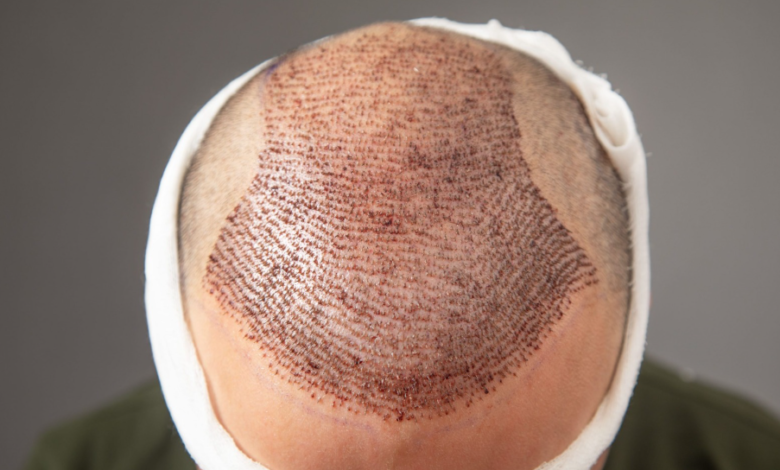
Hair transplant is a long-term investment in your looks. Surgery itself is one of the factors, but your lifestyle is what will make you achieve success in 10 years. Good lifestyles have the power to maintain density, strength, and natural growth, and bad selections may lead to deteriorated results in the long run. This understanding of the relationship helps patients save their outcome in the future. The modern methods of hair restoration are very sure to give you growth, but your hair follicles are also responsive to the way you live your life. Nutrition, stress, sleep, and hair treatment are the factors that build the future of the transplanted hair.
Importance of Lifestyle in the Post-Hair Transplant Surgery
Transplanted hair follicles are usually resistant to genetic hair loss. However, they remain reliant on blood, nutrients, and hormonal balance to remain healthy. Poor habits may lead to decreased scalp circulation and the loss of strength in surrounding natural hair, which will have an overall appearance. Consistency is the key to long-term success. Good or bad results are built up over 10 years by small daily decisions.
Nutrition and Long-Term Hair Strength
What you eat is what you see in your hair. Nutrient-imbalanced food can cause slow growth and decrease the thickness in due course. Important nutrients, which benefit transplanted hair, are:
- Protein for hair structure
- Iron to enhance oxygen circulation
- Zinc for follicle repair
- Biotin for hair strength
- Scalp health
- Omega-3 fatty acids
A healthy diet will sustain the long-term effects of hair transplantation and reinforce the natural hair around the area, which also plays a vital role in a complete appearance.
Smoking and Effects on Hair Growth
One of the largest risks to the success of hair transplants is smoking. Nicotine inhibits blood circulation and decreases the amount of oxygen in hair follicles. This may dry the hair and make it grow slowly over the span of years. Patients who stop smoking usually report improved health of the scalp and an increase in hair quality. To prevent an unnatural appearance of hair transplant outcome after a decade, avoiding tobacco is necessary.
Alcohol Consumption and Hair Health
The overconsumption of alcohol may cause dehydration of the body and a disorientation in the uptake of some nutrients. In the long-term, this influences the strength and shine of the hair. The middle use is not so damaging, but long-term excessive use can damage both the transplanted and the native hair. The main factors for healthy transplanted hair growth are hydration and balance.
Stress Levels and Hair Loss Patterns
Long-term stress raises the level of cortisol, which may interfere with the hair growth cycle. Although the transplanted hair is long-lasting, some of the neighboring natural hair can become thin due to the continued stress, and this can influence the general density. Stress can be managed by exercise, mindfulness, or rest to maintain a balanced environment of the scalp. Long-term serenity helps to result in a lasting hair transplant.
Sleep Quality and Hair Regeneration
There is the regeneration of hair and repair of hair in deep sleep. Poor sleep patterns may interfere with cell renewal and hormone balance. Sleep consistency enhances the blood flow in the scalp and helps in the well-being of follicles. In more than a decade of investigation, good sleep hygiene has a subtle but effective impact on sustaining thick and healthy hair transplantation.
Exercise and Scalp Circulation
Exercise increases blood circulation in the body, including the head. Improved flow also suggests improved supply of nutrients to the hair follicles. Moderate exercise to light exercise aids in the long-term outcomes. Nonetheless, excessive sweating without having the correct hygiene of the scalp can result in accumulation, which would not be the best option for maintaining the hair transplant.
Hair Care Routine Over the Years
Hair quality is determined by the products and routines that you are using daily. Meanwhile, mean shampoos, regular heat styling, and rough brushing may undermine the hair shafts. Care of the hair will improve the shine and reduce breakage, which will help to sustain the success of hair transplantation. Healthy habits include:
- Washing with mild, sulfate-free shampoos.
- Not using too many heat processes.
- Gentle scalp massage
- Regular trimming
Weight Fluctuations and Hormonal Balance
Abrupt weight changes may interfere with the hormones and nutrient balance. Dietary extremes could cause temporary loss of hair, which impacts the overall appearance. Hormonal balance and preservation of good health can be achieved by maintaining a stable, healthy weight, which also helps preserve the effects of long-term hair restoration. Royal Cosmetic Surgery Clinic Islamabad usually receives organized aftercare by the experienced staff with Dr Naveed Azhar, who values both the long-term management and surgical perfection.
See also: Minimal Makeup, Maximum Glow: The One Product That Elevates Healthy Skin
The 10-Year Perspective on Hair Transplant Success
The gap between the average and excellent results 5 years later is usually a matter of lifestyle. Surgery lays the ground, and daily routines shield the ground. One does not have to be perfect to live a healthy lifestyle. Such minor changes on a daily basis create a noticeable difference in the quality of hair, its density, and a sense of confidence in the long run.
Final Thoughts!
Hair transplant is permanent, and its longevity depends on the lifestyle, which defines how good and natural it appears in 10 years. The future of transplanted hair is dependent upon nutrition and stress management, as well as sleep and hair care. Through prudent decisions and attention to the requirements of your scalp, you will be able to have a long-term experience of hair transplantation, natural density, and self-esteem long into the future.