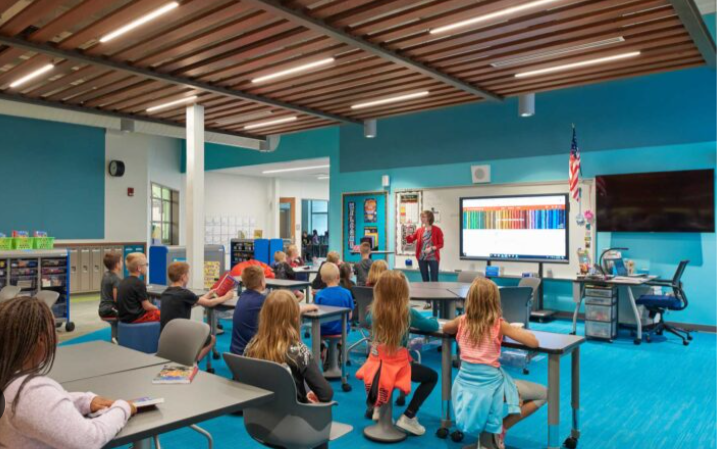
In the education industry, providing students with the right environment for learning and practice is just as important as the quality of instruction. Beyond classrooms and lecture halls, specialized spaces such as rehearsal rooms, studios, and performance areas play a crucial role in developing skills, particularly in music, drama, and performing arts programs. For educators, students, and institutions, having access to flexible and well-equipped spaces is essential. One practical solution gaining popularity is rehearsal venue rental, which allows schools, universities, and private instructors to provide tailored practice environments without the overhead of maintaining permanent facilities.
The Importance of Dedicated Practice Spaces
Learning and skill development often require focused, uninterrupted time in spaces designed for specific activities. In music and performing arts education, for example, practice is not just about repetition but also about experiencing the acoustics, dynamics, and spatial interactions that simulate real performance scenarios.
Enhancing Skill Development
Rehearsal spaces allow students to engage in concentrated practice without the distractions of home environments. For music students, practicing in a room with proper acoustics, soundproofing, and instruments similar to those used in performance improves technique and confidence. Drama and theater students benefit from stage-like setups, mirrors, and lighting that help them understand movement, projection, and spatial awareness.
Supporting Group Learning
Many educational programs involve ensemble or group activities. Choirs, orchestras, and theater troupes require rehearsal venues large enough to accommodate multiple participants while maintaining a safe and productive environment. Rehearsal venue rental enables these groups to gather regularly, fostering collaboration, teamwork, and social learning.
Advantages of Rehearsal Venue Rental
Institutions and educators are increasingly turning to rehearsal venue rental due to its flexibility, cost-effectiveness, and professional-grade facilities.
Flexibility and Accessibility
One of the main benefits of rehearsal venue rental is flexibility. Schools and organizations can book spaces according to their schedule, avoiding conflicts with other activities or academic calendars. Rentals can range from hourly sessions to full-day or weekly bookings, allowing programs to scale according to demand.
Additionally, locations can be chosen based on convenience for students and instructors, reducing travel time and improving attendance and participation.
Cost-Effectiveness
Maintaining permanent rehearsal facilities involves significant investment in space, equipment, and maintenance. Rehearsal venue rental eliminates these overhead costs while providing access to professional-grade amenities. This approach is particularly beneficial for smaller institutions, community programs, or private instructors who may not have the budget for permanent facilities.
Professional Equipment and Environment
Many rehearsal venues are equipped with high-quality instruments, sound systems, mirrors, lighting, and other resources that replicate performance conditions. This exposure prepares students for real-world scenarios, bridging the gap between practice and actual performance. The professional environment also encourages discipline, focus, and a sense of accountability among students.
Customizable Spaces
Different learning activities require different spatial arrangements. A rehearsal venue rental often allows for customization of the room layout, seating, and equipment setup. Music ensembles can arrange instruments for optimal sound projection, while theater students can configure stages, props, and lighting to suit their needs. This adaptability supports diverse educational programs and creative exploration.
Key Considerations When Selecting a Rehearsal Venue
To maximize the benefits of rehearsal spaces, institutions and instructors must carefully select venues that meet their specific needs.
See also: Why Service-Based Businesses Need GST Software for Accurate Compliance
Acoustics and Sound Management
For music programs, acoustics are critical. The quality of sound affects students’ ability to hear nuances, maintain rhythm, and blend with other performers. Rehearsal venues should offer soundproofing, appropriate reverberation, and minimal external noise to create an ideal practice environment.
Equipment and Facilities
Evaluate the availability and quality of instruments, audio equipment, mirrors, lighting, and other resources relevant to your program. Some venues provide pianos, drum kits, or audio mixing equipment, while others may focus on open spaces for movement-based activities. Ensuring that the venue aligns with your curriculum needs will enhance the effectiveness of practice sessions.
Accessibility and Location
Convenient locations improve attendance and reduce logistical challenges. Consider proximity to students’ residences, public transportation options, and parking facilities. Accessibility also extends to facilities for individuals with disabilities, ensuring an inclusive learning environment.
Cost and Scheduling
Compare pricing structures and booking policies across different rehearsal venues. Some venues offer discounted rates for educational programs or long-term bookings. Clear communication about schedules, cancellation policies, and additional costs helps institutions manage budgets efficiently.
Safety and Compliance
Ensure that the rehearsal venue adheres to safety regulations, including fire codes, emergency exits, and first aid availability. For programs involving young students, additional supervision and child safety measures may be required.
Integrating Rehearsal Spaces Into Curriculum
To fully leverage rehearsal venue rental, educators should integrate these spaces strategically into their curriculum.
Structured Practice Sessions
Structured practice sessions with clear objectives help students make the most of their time in rehearsal venues. Instructors can plan exercises, group activities, and performance simulations that align with learning goals.
Performance Simulations
Using rehearsal spaces to simulate real performance conditions enhances students’ confidence and readiness. For example, music ensembles can rehearse as if in a concert setting, while theater students can perform scenes with stage lighting and audience placement.
Collaborative Projects
Rehearsal venues facilitate collaborative projects that may not be feasible in regular classrooms. Students can experiment with choreography, staging, ensemble arrangements, and live sound integration, fostering creativity and problem-solving skills.
Feedback and Reflection
The professional environment of a rehearsal venue encourages feedback and reflection. Instructors can provide detailed critiques on technique, timing, projection, or group coordination, and students can record or observe their practice for self-assessment.
Case Studies in Education
Several educational institutions and community programs have successfully utilized rehearsal venue rental to enhance learning outcomes.
Music Academies: By renting rehearsal venues, music schools can offer ensemble practice for orchestras and bands without the limitations of classroom space. Access to professional-grade instruments and acoustics has been shown to improve student performance and engagement.- Theater Programs: Drama departments in universities often rent stage spaces for rehearsals before major productions. This provides students with hands-on experience in stagecraft, lighting, and set design, preparing them for professional theater careers.
- Community Arts Programs: Community centers and after-school programs use rehearsal venue rentals to offer affordable music and dance classes, making high-quality education accessible to a wider population.
Conclusion
Rehearsal venue rental is becoming an essential component of modern education, particularly in programs that emphasize performance, collaboration, and hands-on skill development. By providing flexible, cost-effective, and professional practice spaces, these venues allow educators to enhance learning outcomes, foster creativity, and prepare students for real-world scenarios.
For schools, universities, and private instructors, integrating rehearsal spaces into the curriculum not only improves technical skills but also encourages collaboration, discipline, and confidence. As educational programs continue to evolve, rehearsal venue rental offers a practical and strategic solution for creating dynamic, immersive, and effective learning experiences.
By carefully selecting venues based on acoustics, facilities, accessibility, and safety, educators can ensure that students benefit from the best possible environment for growth and achievement. With rehearsal venues increasingly accessible, the potential to transform skill development and performance preparation in education has never been greater.