As HVAC systems age, their performance, reliability, and efficiency gradually change. What once operated quietly in the background may begin to show signs of wear due to uneven temperatures, longer run times, or frequent service needs. Aging systems do not fail overnight; instead, they evolve through stages that require thoughtful attention. HVAC contractors play an important role in helping property owners navigate this phase by balancing maintenance, adjustments, and planning decisions. Their approach focuses on extending usefulness where practical while preparing owners for future changes. Understanding how contractors address aging HVAC systems helps clarify how comfort and reliability can be preserved even as equipment moves beyond its early years.
Managing older HVAC systems responsibly
Evaluating System Condition Beyond Age
Age alone does not determine how well an HVAC system performs. HVAC contractors begin by evaluating the overall condition rather than relying on installation dates. They assess airflow consistency, temperature response, component wear, and operational patterns to understand how the system performs under real-world conditions. Some older systems continue to perform reliably with proper care, while others show accelerated wear due to usage patterns or environmental factors. Contractors look for signs such as declining output, increased cycling, or unusual sounds that indicate stress. This evaluation allows them to recommend targeted actions rather than assuming replacement is immediately necessary. By focusing on condition instead of age, contractors help owners make informed decisions based on performance rather than assumptions.
Adjusting and Maintaining Aging Components
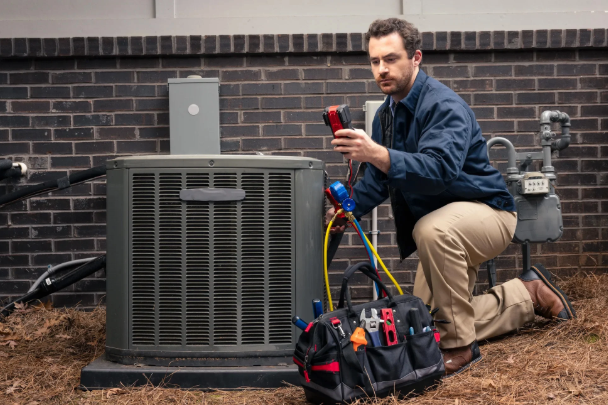
As HVAC systems mature, individual components often require closer attention to maintain balance. Motors, electrical connections, sensors, and control boards may still function but need adjustment or cleaning to remain reliable. HVAC contractors address these needs through detailed maintenance routines that support consistent operation. During these visits, providers such as Essential Heating and Air often focus on recalibrating controls and verifying airflow to reduce unnecessary strain. These adjustments help aging systems respond more predictably to thermostat settings. Maintaining component alignment reduces the likelihood of cascading issues that can arise when one part compensates for another. This approach helps older systems operate steadily even as original tolerances change over time.
Managing Efficiency Changes Over Time
Efficiency naturally declines as HVAC systems age, even when well-maintained. Wear on components can reduce output, requiring longer run times to achieve the same comfort levels. HVAC contractors help manage these changes by optimizing system settings and addressing inefficiencies where possible. Cleaning coils, sealing duct leaks, and balancing airflow all contribute to improved performance without major modifications. Contractors also help owners understand realistic expectations for aging equipment, emphasizing stability rather than peak performance. This perspective allows property owners to focus on maintaining comfort while planning for future upgrades. Managing efficiency changes thoughtfully helps avoid unnecessary stress on aging systems.
Planning Repairs Versus Future Replacement
One of the most important roles HVAC contractors play with aging systems is helping owners evaluate repair decisions in context. Not every repair signals the end of a system’s useful life, but repeated issues may indicate diminishing returns. Contractors provide insight into how repair frequency, cost trends, and system reliability intersect. This guidance supports planning rather than reactive decision-making. By discussing potential future needs early, contractors help owners avoid sudden breakdowns that force rushed choices. This planning-oriented approach allows time to consider options, budgets, and timing without pressure. Thoughtful planning reduces disruption and supports smoother transitions when replacement eventually becomes appropriate.
A Brief Perspective on System Awareness
System awareness becomes increasingly important as HVAC equipment ages. Understanding how a system behaves day-to-day helps identify changes early. Contractors encourage owners to notice patterns such as longer heating or cooling cycles and temperature inconsistencies. This awareness supports timely service calls rather than emergency responses. Over time, informed owners play an active role in preserving system reliability.
See also: Ultimate Guide to Choosing the Right Geyser for Your Home in Pakistan
Extending Comfort Through Strategic Updates
While a full replacement may not be immediate, HVAC contractors often recommend targeted upgrades to support aging systems. Thermostat upgrades, airflow improvements, or zoning adjustments can improve comfort without replacing the entire system. These updates help older equipment operate more efficiently within its limitations. One practical upgrade that can extend the usefulness of an aging HVAC system is installing a No C-Wire Smart Thermostat. These devices can provide more precise temperature control and programmable scheduling without requiring extensive wiring modifications. For homeowners looking to improve comfort and efficiency while postponing a full system replacement, smart thermostat technology offers a convenient and cost-effective solution. Contractors tailor these recommendations based on how the system is used and the property’s layout. Strategic updates can reduce strain on aging components while enhancing daily comfort. This approach bridges the gap between maintenance and eventual replacement, allowing systems to continue serving occupants effectively.
Preparing for the Transition to New Equipment
Eventually, every HVAC system reaches a point where replacement becomes the most practical option. HVAC contractors help prepare owners for this transition by discussing timing, performance expectations, and compatibility with existing infrastructure. Preparing early reduces stress and allows replacement to occur under planned conditions rather than in an emergency. Contractors help ensure that owners understand how new systems differ from older models in operation and maintenance needs. This preparation supports smoother adoption and helps maintain comfort throughout the transition. Thoughtful preparation turns replacement into a planned upgrade rather than an unexpected disruption.
Aging HVAC systems require a balanced approach that combines evaluation, maintenance, and long-term planning. HVAC contractors support this process by focusing on system condition, component care, efficiency management, and informed decision-making. Rather than treating age as a limitation, they help owners understand how to preserve comfort and reliability while preparing for future needs. Strategic updates and awareness further extend usefulness without unnecessary disruption. By addressing aging systems with structure and foresight, HVAC contractors help property owners navigate change confidently while maintaining consistent indoor comfort over time.