Construction in today’s world requires surfaces to be durable under scrutiny. Crack and leakage prevention provides added safety and enhances the building’s long-term performance. As such, the building’s designers are now selecting systems that protect against premature wear and/or moisture infiltration. By implementing these practices, you will help reduce future repair costs, improve the building’s overall performance, and maintain the structure’s durability.
This article gives you practical advice based on real-world building principles. Plus, learn how to eliminate cracks and leaks using tried-and-true techniques that work in real-world construction situations.
Crack-Free Surfaces When Constructing Structures
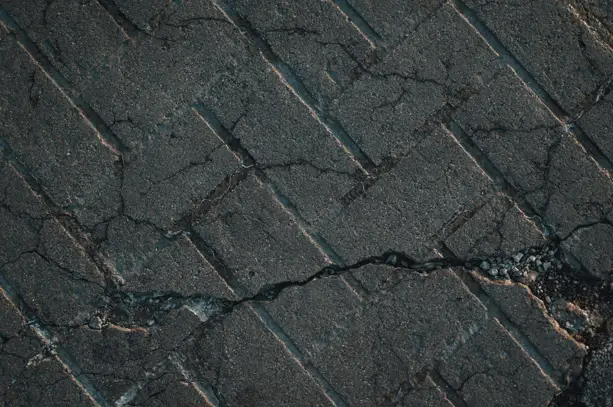
Cracks reduce the structural integrity, and water enters the concrete or masonry. If you prevent cracking during initial construction, you will preserve the long-term durability of your building. Also, you can have safer, less costly maintenance with stable surfaces.
- Promotes avoidance of internal damage.
- Increased capacity to bear load.
- Reduced the number of repairs.
- Prolongs the lifespan of a structure.
Crack-free priority during construction, so you avoid expensive repairs in your facility and provide the safest environment over time.
Preparation Techniques for Adhesion
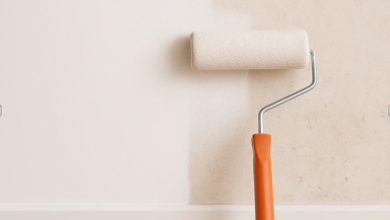
To achieve optimal bondability, proper surface preparation is very important. If a coat has not been properly prepared, it may still fail prematurely. Because moisture leads to poor adhesion, moisture control.
Critical preparation procedures include the following:
- Thoroughly clean the surface.
- Repair cracks and voids that can be seen.
- Allow the surface to completely dry prior to applying the top coat.
- When applicable, apply primer before applying the top coat.
Protective treatment improves preparation and reduces the potential for future failure on the coated surface.
The Role of Waterproofing in Preventing Damage
The modern waterproofing system becomes a barrier that stops water from penetrating the structure. As moisture is one of the leading causes of early failure in structures. Allowing the surface to withstand the high pressures of people or vehicles. Also, prevents damage to structures by keeping water out of concrete, thereby preventing internal decay.
See also: The Business Case for Basement Waterproofing: Why This Industry Keeps Growing
Choose the Right Water-Resistant Material
The material is critical; it should be durable and functional. High-quality waterproofing materials offer greater flexibility, bonding strength, and durability. Water-resistant material protects the surfaces from the expansion and contraction of water as it freezes and thaws. So, appropriate materials are crucial and important, trusting the reliable provider.
Common Construction Mistakes That Cause Cracks And Leaks
The majority of structural damage is caused by errors or poor procedures. Protective systems are not applied correctly; they are useless. If the surface does not cure or is not mixed correctly, it becomes weak. Small cracks are not filled with a waterproof material; they eventually enter, worsening the damage caused by the initial crack. Proper installation procedures and strict quality control at every step.
Wrapping Up
Leak-free and crack-resistant, be prepared, use the right materials, and apply them accurately. These three elements lead to the construction of longer-lasting, better-performing structures under stress. High-performance materials enhance durability, longevity, safety, and structural integrity in each project.