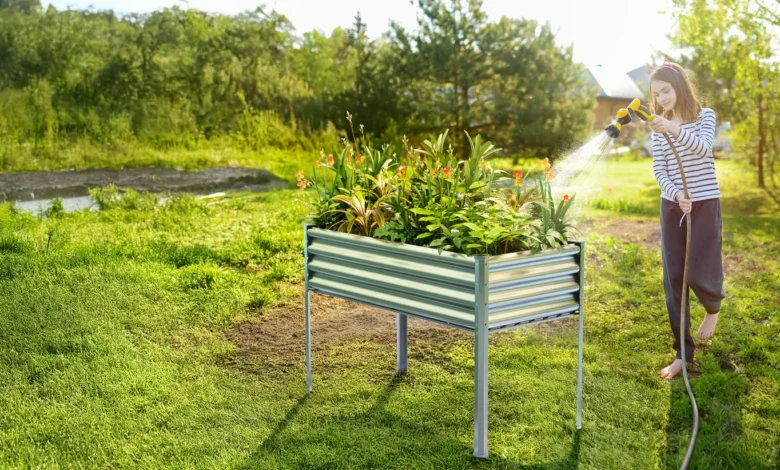
Gardening enthusiasts are discovering an unexpected ally in their quest for thriving outdoor spaces: smart credit management principles. While raised garden beds have transformed how we grow vegetables, herbs, and flowers by offering better drainage, soil control, and accessibility, managing the financial aspects of your gardening projects can make the difference between a sustainable hobby and an overwhelming expense. The three-foot high raised garden bed has become particularly popular among gardeners who want to avoid bending and kneeling, but investing in quality materials and supplies requires thoughtful financial planning.
This article explores how applying credit management strategies to your gardening endeavors can help you build the garden of your dreams without financial stress. Whether you’re purchasing your first raised bed or expanding an existing garden, understanding how to monitor expenses, receive timely notifications about spending patterns, and maintain healthy financial practices will ensure your gardening passion remains enjoyable and affordable. By combining practical gardening advice with smart financial habits, you’ll create a sustainable approach that benefits both your plants and your wallet for seasons to come.
Understanding Credit Management
Credit management represents the systematic approach to monitoring and controlling financial expenditures, ensuring that spending aligns with available resources and long-term goals. For gardeners investing in raised beds and supplies, this means tracking purchases, setting budgets for seeds and soil, and planning expenses across growing seasons. Effective credit management involves establishing spending limits before shopping for gardening materials, comparing prices across suppliers, and prioritizing essential items over impulse purchases. When applied to gardening projects, these principles help you avoid overextending financially on decorative elements while ensuring adequate funds for crucial components like quality soil, structural materials, and proper drainage systems. By maintaining detailed records of gardening expenses—from initial bed construction to ongoing maintenance costs—you gain valuable insights into spending patterns and can identify areas where adjustments might yield better financial outcomes. This disciplined approach transforms gardening from a potentially costly endeavor into a sustainable practice where each dollar spent contributes meaningfully to your garden’s success, allowing you to enjoy your outdoor space without the burden of financial regret or unexpected debt accumulation.
The Importance of Credit Monitoring
Credit monitoring serves as an essential early-warning system that helps gardeners track their spending patterns and avoid financial pitfalls when investing in raised bed projects and ongoing supplies. By regularly reviewing credit card statements and bank accounts dedicated to gardening expenses, you can quickly identify unexpected charges, spot seasonal spending trends, and catch potential errors before they accumulate into significant problems. This vigilant approach becomes particularly valuable when making larger purchases like three-foot high raised garden beds, where monitoring ensures you’re getting charged correctly and staying within planned budgets. Setting up automatic alerts through your financial institution provides real-time notifications when transactions exceed predetermined thresholds, allowing you to pause and reconsider impulse purchases of decorative planters or unnecessary tools. Regular credit monitoring also reveals spending patterns across growing seasons—you might discover that spring expenses consistently exceed your budget, prompting you to set aside funds during winter months or seek discounts during off-season sales. This proactive financial awareness prevents the common scenario where enthusiastic gardeners accumulate debt through numerous small purchases that seem insignificant individually but collectively strain finances. By dedicating just fifteen minutes weekly to review gardening-related transactions, you maintain clear visibility into your financial health while ensuring that your passion for cultivating beautiful raised beds remains a source of joy rather than stress.
User Notifications: Keeping You Informed
User notifications transform credit management from a reactive scramble into a proactive strategy, providing gardeners with timely alerts that prevent overspending on raised bed projects and supplies. Modern banking apps and credit card platforms allow you to customize notifications for specific spending thresholds—setting alerts when gardening purchases exceed fifty dollars ensures you remain conscious of each significant transaction, whether buying lumber for bed construction or investing in premium soil amendments. These instant notifications arrive via text or email immediately after transactions process, giving you real-time awareness that helps distinguish between planned expenses and spontaneous purchases that might derail your budget. Weekly spending summaries provide broader perspective, showing cumulative gardening expenditures across categories like materials, plants, and tools, enabling you to adjust habits before monthly bills arrive. Low-balance alerts prove particularly valuable when maintaining a dedicated gardening fund, warning you before attempting purchases that would exceed available resources and potentially incur overdraft fees. Payment due date reminders ensure you never miss credit card deadlines, avoiding late fees and interest charges that effectively increase the cost of every garden supply purchased. By configuring these notification systems at the start of gardening season, you create an automated financial assistant that keeps your raised bed dreams aligned with budgetary reality, allowing you to focus energy on cultivation rather than financial damage control.
Choosing the Right 3-Foot High Raised Garden Bed
Selecting the ideal 3 foot high raised garden bed requires balancing practical considerations with budget constraints, making credit management principles essential to avoid overspending while securing quality materials. Begin by assessing your physical needs—the three-foot height eliminates bending and kneeling, making gardening accessible for those with mobility limitations, back problems, or simply preference for comfortable standing work. Material selection significantly impacts both cost and longevity: untreated cedar and redwood offer natural rot resistance and attractive appearance but command premium prices, while galvanized steel provides durability at moderate cost, and composite materials balance affordability with maintenance-free performance. Dimension planning affects your budget substantially—longer beds require more materials and soil, so measure your available space carefully and consider starting with one or two beds rather than overcommitting financially to an ambitious layout. Drainage features prove non-negotiable for plant health; ensure any bed you consider includes adequate drainage holes or gaps, as waterlogged soil destroys roots regardless of how much you invested in the structure itself. Assembly requirements matter for budget-conscious gardeners—pre-assembled beds cost more but save time, while kit versions reduce expenses if you possess basic tools and skills. Compare warranties across manufacturers, as longer coverage periods indicate quality construction and protect your investment from premature failure. Brands like Landguard offer raised garden bed options that combine durability with thoughtful design features, providing gardeners with reliable structures that justify their investment through years of productive use. Before finalizing purchases, calculate total project costs including the bed itself, quality soil to fill the substantial volume, and essential accessories like landscape fabric, ensuring your credit limit accommodates the complete setup rather than leaving you with an empty frame and depleted funds.
Setting Up Your Raised Garden Bed
Setting up your three-foot high raised garden bed correctly from the start prevents costly mistakes and ensures long-term success, making careful planning as important as the financial discipline that got you here. Begin by selecting a location that receives at least six to eight hours of direct sunlight daily for vegetables, or four to six hours for shade-tolerant herbs and greens—moving a filled bed later proves nearly impossible due to soil weight. Level the ground beneath your bed using a shovel and rake, as uneven surfaces create structural stress that can warp frames and cause premature failure of your investment. Install landscape fabric or hardware cloth at the base to prevent weeds from invading while allowing drainage, securing edges with staples to keep barriers in place as you add soil. Calculate soil volume accurately—a bed measuring four feet by eight feet by three feet deep requires 96 cubic feet of material, and underestimating means additional delivery fees that strain budgets. Fill beds using a layered approach: start with coarse materials like small branches or straw in the bottom six inches to improve drainage and reduce soil needs, then add a mixture of topsoil, compost, and peat moss or coconut coir in a 40-40-20 ratio for optimal growing conditions. Water thoroughly after filling to help soil settle, then top off any depressions that form, as settling can reduce soil levels by several inches. Install drip irrigation or soaker hoses before planting if your budget allows, as efficient watering systems reduce water waste and save money over hand-watering throughout the season. Add a two-inch layer of mulch after planting to retain moisture, suppress weeds, and regulate soil temperature—wood chips or straw work well and cost significantly less than decorative alternatives. Consider installing simple supports like corner posts with horizontal wires for climbing plants, planning this infrastructure during setup rather than retrofitting later when roots might suffer damage. Allow soil to rest for a week after setup before planting, giving amendments time to integrate and microorganisms to establish, ensuring your carefully managed investment provides the optimal environment your plants need to thrive.
Planting and Maintenance Tips
Successful planting in your three-foot high raised garden bed begins with understanding your growing zone and selecting plants suited to your climate, ensuring your financial investment yields abundant harvests rather than disappointing failures. Start seeds indoors six to eight weeks before your last frost date for warm-season crops like tomatoes, peppers, and eggplants, saving money compared to purchasing established transplants while gaining weeks of growing time. When transplanting seedlings into your raised bed, space plants according to mature size recommendations—overcrowding reduces air circulation and increases disease risk, potentially destroying entire crops and wasting your soil and setup investments. Water deeply but infrequently to encourage strong root development, applying one to two inches weekly through drip irrigation or soaker hoses rather than overhead sprinklers that waste water and promote fungal diseases. Monitor soil moisture by inserting your finger two inches deep; if dry at that depth, water thoroughly until moisture reaches the bottom of your bed. Feed plants every three to four weeks using balanced organic fertilizers or compost tea, avoiding expensive synthetic products that provide temporary boosts but degrade long-term soil health. Inspect plants daily for pest problems, addressing issues immediately with targeted solutions—handpicking beetles, spraying aphids with soapy water, or introducing beneficial insects costs pennies compared to letting infestations destroy crops worth hundreds of dollars. Prune indeterminate tomatoes by removing suckers between main stems and branches, directing plant energy toward fruit production rather than excessive foliage. Stake or cage tall plants like tomatoes and pole beans at planting time, as retrofitting supports later damages roots and stems. Rotate crop families annually to prevent soil-borne diseases and nutrient depletion—never plant tomatoes, peppers, or eggplants in the same bed two consecutive years. Remove spent plants promptly after harvest, composting disease-free material while disposing of infected plants in trash to prevent pathogen spread. Refresh your bed each spring by adding two to three inches of finished compost, replenishing nutrients extracted by previous crops without the expense of completely replacing soil. Test soil pH annually using inexpensive home kits, adjusting with lime to raise pH or sulfur to lower it based on your crops’ preferences. Apply mulch throughout the growing season, replenishing as materials decompose to maintain two-inch depth that conserves moisture and suppresses weeds. Deadhead flowering plants regularly to encourage continued blooming and prevent energy diversion to seed production. Harvest vegetables at peak ripeness—picking regularly signals plants to produce more, maximizing yields from your raised bed investment. Clean and sanitize tools between uses on different plants, preventing disease transmission that could compromise your garden. As growing season ends, plant cover crops like clover or winter rye to protect soil, suppress weeds, and add organic matter when tilled under in spring, essentially providing free fertilizer. Document what you plant, when you plant it, and harvest results in a simple notebook, creating valuable data that improves future decisions and prevents repeating costly mistakes.
Integrating Credit Management with Gardening
Integrating credit management principles with gardening creates a sustainable framework where financial discipline directly supports your cultivation goals, transforming how you approach both spending and growing. Establish a dedicated gardening budget at the season’s start by reviewing previous years’ expenses and allocating monthly amounts that align with your overall financial picture, treating garden investments with the same seriousness as household utilities or insurance payments. Use a separate credit card exclusively for gardening purchases to simplify expense tracking and prevent garden spending from blending invisibly into general household charges—this separation provides crystal-clear visibility into your horticultural investments and simplifies tax deductions if you sell produce or operate a small garden business. Create a prioritized purchasing list before each growing season, categorizing items as essential (seeds, soil amendments, pest control), important (support structures, quality tools), and optional (decorative elements, convenience items), then fund categories in order as your budget allows rather than impulse-buying appealing items that exceed available resources. Schedule major purchases during off-season sales when garden centers discount supplies to clear inventory—buying your three-foot raised bed in late fall rather than spring peak can save thirty to forty percent while providing winter months to prepare the site. Track return on investment by calculating costs per pound of harvested produce, comparing homegrown expenses against grocery store prices to validate your gardening budget and identify crops that deliver genuine financial benefits versus those grown purely for enjoyment. Build an emergency fund specifically for unexpected garden expenses like disease outbreaks requiring treatment, pest infestations demanding immediate intervention, or weather damage necessitating repairs, ensuring these surprises don’t force you onto credit cards at unfavorable terms. Review your gardening credit statements monthly alongside garden journals that document what you purchased and how plants performed, connecting financial decisions with cultivation outcomes to refine future spending toward methods and materials that actually improve results rather than merely seeming appealing at purchase time.
Sustainable Gardening Through Financial Wisdom
By integrating smart credit management with your gardening routine, you can optimize your garden’s potential while maintaining financial stability. The three-foot high raised garden bed represents more than just a gardening structure—it’s an investment that requires the same thoughtful planning and monitoring as any significant financial commitment. Through consistent credit monitoring, you gain visibility into spending patterns that help distinguish between essential purchases and impulsive expenditures that drain resources without improving results. User notifications serve as your financial guardian, providing real-time alerts that keep gardening expenses aligned with your budget throughout the growing season. The principles of tracking expenditures, setting spending limits, and prioritizing purchases transform gardening from a potentially overwhelming financial burden into a sustainable practice that delivers both beautiful harvests and peace of mind. As you tend your raised beds and watch plants flourish, remember that the same attention you give to watering schedules and soil health should extend to your financial practices. This holistic approach ensures your gardening passion remains enjoyable for years to come, free from the stress of unexpected debt or budget overruns, allowing you to focus on what truly matters—cultivating thriving plants and creating the outdoor space you’ve envisioned.