In today’s fast-paced world, the concept of mental well-being and emotional balance has become increasingly important. One term gaining popularity in wellness circles is “worrystone.” But what exactly is a worrystone, and how can it benefit your daily life? This article provides an in-depth look at worrystone, its uses, and practical tips for incorporating it into your routine.
What is Worrystone?
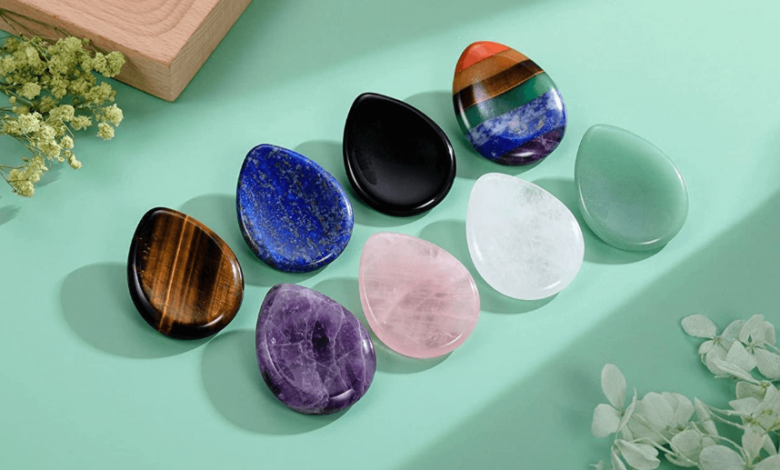
A worrystone is a small, smooth object, often made of natural stone or crystal, designed to be held or rubbed between the fingers. The practice of using worrystones is rooted in mindfulness and stress-relief techniques. Many people keep them in pockets, bags, or on desks to help manage anxiety, nervous energy, or moments of tension.
Unlike ordinary decorative stones, worrystones are intentionally shaped to be comfortable in the hand, encouraging tactile interaction that can be calming for both the mind and body. While their primary function is psychological comfort, they are also sometimes believed to carry spiritual or energetic properties depending on the type of stone used.
See also: Ultimate Guide to Choosing the Right Geyser for Your Home in Pakistan
The History of Worrystones
The concept of using stones for comfort is ancient. In various cultures, smooth stones were used in rituals, meditation practices, and as tokens of reassurance. The modern term worrystone became popular in wellness and self-care communities over the last decade, as mindfulness practices became mainstream. Today, they are widely recognized as simple yet effective tools for managing stress and promoting emotional balance.
How Worrystones Work
The effectiveness of a worrystone lies in tactile stimulation and focused attention. By holding or rubbing the stone:
- Distraction from anxiety – The repetitive motion helps divert your mind from stressful thoughts.
- Sensory grounding – Touching a stone brings awareness to the present moment, which is a key principle of mindfulness.
- Calming effect – Smooth textures and cool surfaces can create a soothing sensation, reducing feelings of tension.
- Symbolic reassurance – Some users assign personal meanings or intentions to their worrystones, strengthening a sense of emotional support.
While worrystones do not replace medical treatment for serious anxiety or mental health conditions, they are a helpful, low-cost, and portable tool for daily stress management.
Types of Worrystones
Worrystones come in various shapes, sizes, and materials. Some popular types include:
- Jade Worrystones – Associated with harmony and balance.
- Amethyst Worrystones – Believed to promote relaxation and mental clarity.
- Obsidian Worrystones – Often used for grounding and protection.
- Rose Quartz Worrystones – Symbolizing love, compassion, and emotional healing.
Choosing the right worrystone often depends on personal preference, texture, and the emotional or spiritual attributes one seeks.
Benefits of Using Worrystones
Incorporating a worrystone into your daily routine can have several advantages:
- Stress Reduction – Holding or rubbing a worrystone can lower stress levels by providing a soothing physical focus.
- Mindfulness Aid – It encourages being present and aware, helping to reduce overthinking and mental fatigue.
- Portable Calm – Unlike meditation or yoga, worrystones are small and discreet, making them easy to carry anywhere.
- Enhanced Focus – Some people find that using a worrystone during work or study improves concentration.
- Emotional Support – Symbolic connections with the stone can provide a sense of comfort and reassurance.
How to Use a Worrystone
Using a worrystone is simple. Here are some practical steps:
- Choose your stone – Select a stone that feels comfortable in your hand.
- Carry it with you – Keep it in a pocket, bag, or on your desk.
- Hold or rub it – Whenever you feel stressed, anxious, or unfocused, gently rub or hold the stone.
- Focus on your breath – Combine worrystone use with deep breathing for enhanced relaxation.
- Set intentions – Some people assign personal meanings to their stones, which can strengthen its emotional effect.
Worrystones in Daily Life
Worrystones can be used in various settings:
- At work – Keep it in your pocket during stressful meetings.
- During travel – Use it to calm nerves during flights or long commutes.
- At home – Incorporate it into your meditation or bedtime routine.
- For children – Small children can use smooth worrystones to help manage anxiety or fears.
Conclusion
A worrystone is more than just a stone; it is a simple, portable tool that can offer comfort, mindfulness, and emotional support in daily life. By incorporating it into your routine, you can manage stress more effectively, enhance focus, and bring moments of calm during a busy day. Whether you choose it for its tactile qualities, spiritual properties, or emotional symbolism, a worrystone is a versatile companion for anyone seeking peace of mind.
FAQs About Worrystones
Q1: Are worrystones scientifically proven to reduce anxiety?
While worrystones are not a replacement for medical treatment, studies on tactile stimulation and mindfulness support that repetitive, soothing actions can reduce stress and anxiety.
Q2: Can I make my own worrystone?
Yes, any smooth, palm-sized stone can be used as a worrystone. Many people personalize their stones by selecting shapes, materials, or even engraving words on them.
Q3: How do I clean my worrystone?
Worrystones can be cleaned using mild soap and water. Some people also prefer to cleanse them energetically using sunlight or moonlight, especially if the stone is a crystal.
Q4: Can children use worrystones?
Absolutely. Worrystones are safe for children and can help them manage stress, anxiety, or fear.
Q5: Do different stones have different effects?
Many people attribute different emotional or spiritual benefits to various stones, such as amethyst for relaxation or rose quartz for emotional healing. However, the primary benefit comes from tactile interaction and mindfulness.