Unexpected HVAC breakdowns can disrupt daily routines, strain budgets, and create uncomfortable living or working conditions. These failures rarely happen without warning; instead, they often develop gradually as small issues go unnoticed or unaddressed. HVAC contractors focus on prevention by identifying early signs of wear, imbalance, or inefficiency before they escalate into system-wide problems. Their work goes beyond responding to emergencies and instead centers on maintaining stability, consistency, and reliability over time. Understanding how HVAC contractors prevent unexpected breakdowns helps property owners appreciate the value of ongoing system care and proactive maintenance over reactive repairs.
Proactive System Oversight
Identifying Early Performance Irregularities
One of the primary ways HVAC contractors prevent breakdowns is by recognizing subtle changes in system performance. Variations in noise levels, airflow strength, temperature consistency, or runtime patterns often indicate underlying issues. Contractors monitor these signals during routine visits, using them to pinpoint components that may be under strain. For example, a motor that runs slightly louder than usual or a system that cycles more frequently can signal developing mechanical stress. Many homeowners look to find help with HVAC in Phoenix AZ when these small irregularities appear, knowing that early attention can prevent larger disruptions later. Addressing these early warning signs allows contractors to correct minor problems before they affect overall system operation.
Preventive Care in Context
Preventing HVAC breakdowns requires consistent monitoring rather than waiting for failure. HVAC contractors focus on early detection, routine checks, and incremental adjustments that stabilize system performance. This approach reduces surprise malfunctions and supports smoother operation throughout the year. Preventive care transforms maintenance into a protective strategy rather than a reactive necessity.
Routine Maintenance and Component Attention
Routine maintenance is a cornerstone of breakdown prevention. HVAC contractors inspect and service components that experience regular wear, such as belts, motors, electrical connections, and moving parts. Over time, these elements can loosen, degrade, or lose alignment, increasing the risk of sudden failure. Contractors tighten connections, lubricate moving parts, and replace worn elements during scheduled service. This attention keeps components operating within safe limits and reduces unnecessary strain. Regular maintenance also allows contractors to clean debris and buildup that can interfere with airflow or heat transfer, supporting consistent performance across seasons.
Managing Airflow and System Balance
Airflow imbalances are a common contributor to unexpected breakdowns. Restricted or uneven airflow forces HVAC systems to operate harder than intended, accelerating component wear. HVAC contractors evaluate ductwork, filters, and blower performance to ensure air moves freely and evenly. By removing restrictions and balancing airflow, contractors reduce stress on motors and heat-exchange components. Proper airflow allows the system to operate smoothly rather than compensating for resistance or pressure issues. This balance helps prevent overheating, short cycling, and mechanical fatigue that often lead to breakdowns.
Monitoring Electrical and Control Systems
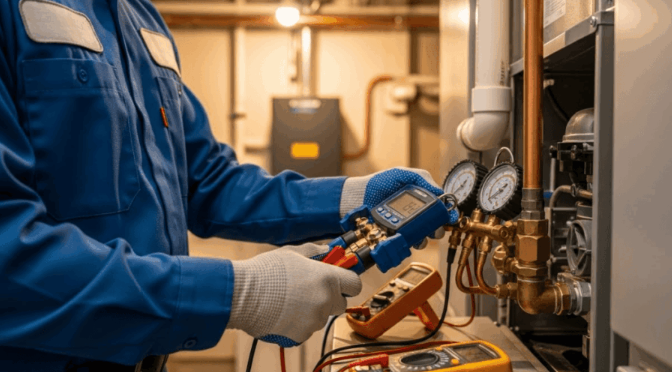
Electrical issues are another frequent cause of sudden HVAC failures. Loose connections, failing relays, or aging control boards can interrupt system operation without warning. HVAC contractors inspect electrical components during service visits to ensure stable communication between system parts. They test voltage levels, examine wiring integrity, and confirm that safety controls function correctly. Addressing electrical inconsistencies early prevents system shutdowns and protects sensitive components. Consistent electrical monitoring supports reliable startup and operation, reducing the likelihood of abrupt failure during peak demand.
Refrigerant Stability and Mechanical Health
Refrigerant-related issues can quietly undermine system reliability. HVAC contractors monitor refrigerant pressure and temperature to ensure stable heat transfer. Low or imbalanced refrigerant levels can cause compressors to overwork, increasing the risk of failure. Contractors address leaks, pressure irregularities, and related mechanical stress before performance declines significantly. Maintaining refrigerant stability supports consistent cooling and heating output while protecting critical components from damage. This proactive approach reduces the risk of breakdowns that often occur during extreme weather conditions.
Seasonal Preparation and Load Awareness
HVAC systems face different demands throughout the year. Contractors prepare systems for seasonal transitions by adjusting settings, inspecting components, and confirming readiness for increased load. Before peak heating or cooling seasons, they ensure that systems can handle higher demand without excessive strain. Seasonal preparation helps prevent breakdowns caused by sudden workload increases. By aligning system readiness with expected conditions, HVAC contractors reduce the likelihood of failure when systems are needed most.
See also: Ultimate Guide to Choosing the Right Geyser for Your Home in Pakistan
Educating Owners for Early Intervention
Preventing unexpected breakdowns also involves educating property owners. HVAC contractors explain common warning signs that should prompt a service call, such as unusual noises, inconsistent temperatures, or increased energy use. This guidance empowers owners to seek help early rather than waiting for complete failure. Clear communication helps bridge the gap between professional maintenance and everyday system use. When owners understand what to watch for, contractors can intervene sooner, preventing small issues from escalating.
Documentation and Performance Tracking
HVAC contractors often document system condition and performance over time. Keeping records of service history, component wear, and adjustments allows contractors to track trends and anticipate future needs. This tracking helps identify components nearing the end of their functional lifespan and proactively schedule replacements. Documentation supports informed decision-making and reduces guesswork. By understanding how a system has performed historically, contractors can better prevent unexpected breakdowns through targeted, timely action.
Long-Term Reliability Through Consistency
Preventing HVAC breakdowns is not about a single visit or repair; it is about consistent, long-term care. HVAC contractors recognize that reliability is built through repeated attention to detail and system balance. Regular oversight keeps small issues from compounding into major failures. This consistency supports dependable performance, fewer emergencies, and greater peace of mind for property owners.
HVAC contractors prevent unexpected breakdowns by focusing on early detection, routine maintenance, and system balance. Through airflow management, electrical inspection, refrigerant monitoring, and seasonal preparation, they reduce the conditions that lead to sudden failures. Education and documentation further support proactive care, allowing issues to be addressed before they disrupt comfort. Understanding this preventive approach underscores the importance of regular professional involvement in maintaining reliable HVAC operation and avoiding the stress and cost of unexpected system breakdowns.