Search for gaming sound equipment and you will find hundreds of products, all promising the best experience. The truth is simpler. The right setup depends on where you play, who else is in the room, which platform you use and how long your sessions last. This guide helps you decide between a headset, separate headphones and desktop speakers, so you spend money on what you will actually use.
Option 1: The Gaming Headset
A headset combines headphones and a microphone in one device. Setup is easy, voice chat works straight away, and it keeps a desk tidy. The compromise is that price is split between the headphone parts and the microphone, so a headset rarely matches the sound of separate components at the same cost. For team games and casual use, it is a sensible and popular choice.
Option 2: Headphones Plus a Separate Microphone
Pairing good headphones with a desk microphone or a clip on microphone often gives better sound and clearer voice. Each part can be replaced individually when it wears out. The downside is a few extra cables and slightly more setup, which some people dislike. If you play a lot and care about quality, this is a strong approach.
Option 3: Desktop Speakers
Speakers are comfortable for long sessions, because nothing presses on your head. They suit single player games and relaxed play. However, reflections from walls and the position of your head change how sound arrives, which makes judging exact direction harder. Speakers also share your game with everyone nearby, so they suit private rooms better than shared ones.
Open Back or Closed Back Headphones?
Closed back headphones block outside noise and keep the game from leaking out, which suits shared spaces. Open back headphones let sound pass through the ear cups, often creating a more spacious feeling, but others will hear your game, and you will hear them. Choose based on your environment before you worry about anything else.
Think About Power and Compatibility
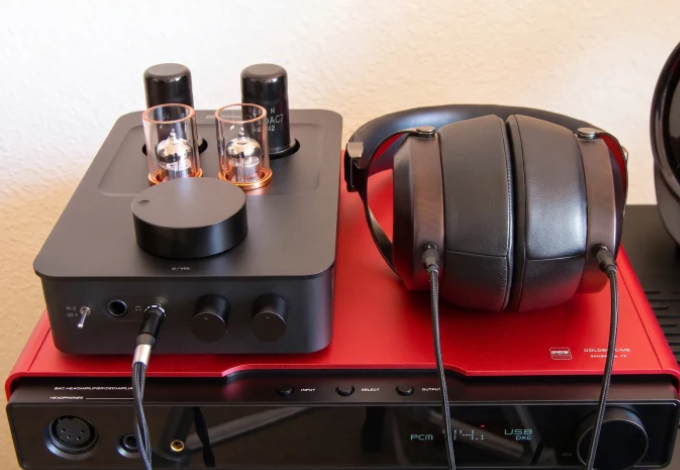
Headphones differ in how much power they need. Specifications list impedance and sensitivity, which hint at how demanding they are. Easy headphones run fine from a console controller or laptop. Demanding ones may sound quiet or thin without more power, and a small amplifier can help. If you are shopping for game audio equipment, confirm that it works with your platform and supplies enough clean power for your particular headphones.
Match the Setup to Your Platform
PCs usually offer several outputs and USB options. Consoles may support fewer connection types, and some accessories work only with specific systems. Phones and tablets often need adapters. Before buying, read what your device supports so you do not end up with something you cannot connect properly.
Comfort Is Not a Minor Detail
Weight, clamping force, ear pad material and heat all affect how long you can play comfortably. People who wear glasses should look for softer pads. If possible, try equipment in person or buy from a seller with a fair return policy. A pair that sounds slightly better but hurts after an hour will not get used.
Where to Spend First
If your budget is limited, put money into whatever touches your ears. A modest source with good headphones usually beats an expensive source with poor headphones. You can add an amplifier or a better microphone later, once you know what you miss.
See also: What are cross-border payments? How B2B businesses can use Payoneer for global transactions
Frequently Asked Questions
Are wireless headsets good enough for competitive play? Many are, especially those using a dedicated receiver. Wired is still the most dependable option when timing matters.
Do I need an amplifier? Only if your headphones are demanding or your current output is weak or noisy.
Is a microphone built into a headset good enough? For casual chat, yes. For clearer voice, a separate microphone often improves results.
A Simple Way to Decide
Think about your room first, then your platform, then your habits. A shared apartment points to closed back headphones. A private room opens up speakers or open back headphones. Frequent team play favors a clear microphone. Be honest about how you actually play, and the right choice becomes obvious.