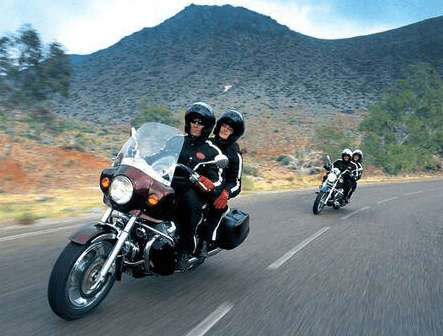
Rural roads near Huntertown look quiet. They are not safe for riders. You face blind curves, loose gravel, narrow shoulders, and speeding traffic. You may also meet farm trucks, wildlife, or drivers who pass without enough room. Each small risk adds pressure. Together, they raise your chance of a crash. Many riders know the thrill of an open county road. Few see how one missed sign or one deep pothole can change a life. This blog explains how these roads increase motorcycle crash risks and what you can do to protect yourself. It also explains when fault may rest with careless drivers or poor road maintenance. If a crash already happened, you do not have to face the fallout alone. A Huntertown motorcycle injury lawyer can help you understand your rights, gather proof, and demand fair payment for your losses.
Why Rural Roads Near Huntertown Are So Risky
Rural roads feel calm. They hide threats that hit riders hard. Three common problems stand out.
- Unforgiving road design. Many roads have sharp curves, blind hills, and no shoulder. A small mistake can send you into a ditch or oncoming traffic.
- Poor surface conditions. Gravel, broken pavement, and slick farm mud cut your grip. Your bike needs steady traction. Rural roads often do not give it.
- Mixed traffic. You share the lane with pickups, tractors, semis, and fast cars. Drivers may not expect a motorcycle or may misjudge your speed.
Crash data supports these concerns. The Federal Highway Administration explains that rural roads see a high share of deadly crashes compared with traffic volume. You can read more in its safety overview at Federal Highway Administration rural safety.
Hidden Hazards That Hit Riders First
Some dangers hurt riders more than drivers in larger vehicles. Your body takes the full strike. Your view is lower. Your tires touch less pavement. Three hazards are common near Huntertown.
- Loose gravel and farm debris. Gravel on curves pulls your front tire sideways. Wet leaves, spilled grain, and manure turn the road slick. A car might slide and recover. A bike often goes down.
- Potholes and broken edges. A deep hole can bend a rim or lock your front wheel. Crumbled edges leave you no safe place to move when a truck crowds the center line.
- Wildlife and farm animals. Deer and loose livestock often cross at dusk and dawn. A sudden swerve to miss an animal can cause a slide or a head on crash.
These risks build on each other. A driver who follows too close gives you no room to react when you hit gravel or see a deer. A narrow road gives you no escape route.
How Rural Motorcycle Crashes Compare With City Crashes
National studies show clear differences between rural and urban crashes. The pattern matches what riders see near Huntertown.
| Crash Factor | Rural Roads Near Towns Like Huntertown | Urban Streets And Highways |
|---|---|---|
| Typical Speed At Impact | Higher speeds because of open roads and higher limits | Lower speeds due to traffic and signals |
| Road Surface | More gravel, broken pavement, and soft shoulders | More painted lines, smoother pavement, more lighting |
| Medical Response Time | Longer due to distance from EMS and hospitals | Shorter because EMS is closer |
| Common Crash Types | Run off road, head on, wildlife strikes | Left turn conflicts, rear end, lane changes |
| Chance Of Being Seen | Lower because of hills, curves, and few streetlights | Higher due to streetlights and slower traffic |
The National Highway Traffic Safety Administration reports that many deadly motorcycle crashes happen on non interstate rural roads. You can review national motorcycle data at NHTSA motorcycle safety facts.
Common Driver Mistakes On Rural Huntertown Roads
Drivers often cause or worsen rural motorcycle crashes. Three patterns show up again and again.
- Passing without space. A driver may pass another vehicle on a hill and move into your lane. With no shoulder and a deep ditch, you face a direct hit.
- Left turns across your path. At rural intersections, drivers may turn left in front of you. They may claim they never saw you or thought you were farther away.
- Speeding into curves. Many drivers enter curves too fast. They drift over the center line and force you to brake hard or drop off the pavement edge.
These choices are not harmless mistakes. They show careless driving that can create legal responsibility after a crash.
Steps You Can Take To Cut Your Risk
You cannot control road design. You can control how you ride. Three habits offer strong protection on rural roads.
- Slow down before hills and curves. Treat every blind hill as if a tractor or deer sits just beyond the crest. Brake early while your bike is upright.
- Use a safe lane position. Move where you can see and be seen. In right curves, stay toward the outside as you enter. In left curves, avoid hugging the center line where a truck may drift over.
- Scan for escape routes. Always know where you can go if a driver crosses into your lane. Look for level ground, firm shoulders, and wide driveways.
Riding gear, a bright helmet, and auxiliary lights also help others see you. They do not erase driver fault. They do give you more chances to stay upright.
See also : Minimal Makeup, Maximum Glow: The One Product That Elevates Healthy Skin
When Poor Road Conditions May Create Legal Responsibility
Sometimes the road itself is part of the problem. Deep potholes, missing warning signs, or broken guardrails can turn a minor loss of control into a severe crash. In some cases, a government body or contractor may share fault for:
- Leaving large potholes or drop offs unpatched for long periods
- Failing to replace faded or missing stop or curve signs
- Allowing standing water or loose gravel to stay on the road without warning
These situations are complex. Strict time limits and notice rules often apply. A local attorney who works with rural crashes can review photos, maintenance records, and witness statements to see if road defects played a role.
What To Do After A Rural Motorcycle Crash
If a crash already happened, you may feel shocked, hurt, and unsure what to do next. Three steps help protect your health and your claim.
- Get medical care right away. Some injuries hide at first. A prompt exam links your pain to the crash and supports your story.
- Preserve evidence from the scene. If you can, take photos of the road, skid marks, gravel, and vehicle positions. Ask someone you trust to do this if you cannot.
- Speak with legal help early. Insurance companies often move fast to shift blame. A Huntertown motorcycle injury lawyer can handle those talks while you focus on healing.
Rural roads near Huntertown will likely stay narrow and rough. You deserve to ride them with clear eyes and strong protection. Careful habits, sharp awareness, and timely legal support can limit the damage when other drivers or unsafe roads put you in danger.