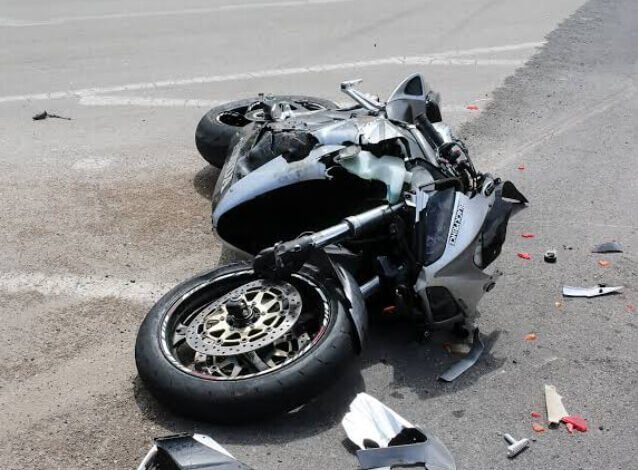
You may still be replaying it in your head. The bike was moving straight, the other vehicle turned left, and everything changed in a second. After a crash like that, the pain is one part of it. The other part is the confusion. Who caused it, what evidence matters, and why is the insurance company already acting like the answer is not so simple? Learm more here to help you find a good representative for you.
In many left-turn motorcycle collisions, the turning driver is usually at fault because drivers must yield to oncoming traffic before turning left. That said, fault is not automatic in every case. Speed, visibility, signals, lane position, road conditions, and witness statements can all affect the outcome. If you are dealing with a left-turn motorcycle crash in Rockford, the facts gathered in the first days often shape the whole claim.
Left Turning Drivers Usually Cause These Motorcycle Accidents
A left turn puts one driver directly across another vehicle’s path. When that vehicle is a motorcycle, the risk climbs fast. Motorcycles are smaller, harder for careless drivers to notice, and often judged badly in terms of distance and speed. A driver looks up, thinks there is enough time, turns, and the rider has almost no room to avoid impact.
That is why these crashes often come down to failure to yield. The driver making the left turn usually has the legal duty to wait until it is safe. If the rider had the right of way and was traveling lawfully, fault often falls on the turning driver.
The problem is that insurance adjusters do not always treat motorcycle claims fairly. Riders hear the same tired assumptions. They were going too fast. They came out of nowhere. They were weaving. Those claims can show up even when the police report points the other way. You feel injured, rattled, and then pushed into defending yourself before you have even healed.
Fault in a Left Turn Motorcycle Accident Depends on Evidence
There are cases where fault is shared. If a motorcyclist was speeding hard through an intersection, ran a light, passed unsafely, or had no headlight at night, that can change how blame is assigned. Illinois uses modified comparative fault rules, which means your compensation can be reduced if you share fault, and barred if you are more than 50 percent responsible.
That makes evidence everything. Skid marks, vehicle damage, helmet cam footage, nearby business surveillance, traffic light timing, and neutral witnesses can all help show what really happened. A left-turn case may sound obvious at first, but one missing detail can give an insurer room to argue.
Picture a common scenario. A rider is going straight through an intersection on a green light. A driver coming from the opposite direction turns left across the rider’s lane. The driver later says, “I never saw the motorcycle.” That statement does not excuse the turn. In many cases, it supports negligence. Drivers are expected to see what is there to be seen.
You can find motorcycle safety information from the National Highway Traffic Safety Administration, which explains how often visibility and driver awareness affect motorcycle wrecks. Illinois also offers rider education through the Illinois motorcycle training program, a reminder that safe riding matters, but it does not erase a driver’s duty to yield.
Insurance Companies Often Try to Shift Blame After a Motorcycle Left Turn Crash
A motorcycle left turn crash can lead to large medical bills fast. Emergency care, surgery, rehab, missed work, and damage to the bike add up long before fault is resolved. Insurers know that pressure. They may ask for a recorded statement early, hoping you will guess about speed, distance, or the light sequence while you are still shaken.
They also know juries and adjusters sometimes carry bias against riders. That bias can turn a clear failure-to-yield case into an argument over “reckless riding” with very little proof behind it. The stronger response is not emotion. It is documentation. Photos, treatment records, repair estimates, witness names, and a careful review of the crash report matter more than broad accusations.
Key Issues That Affect Fault and Claims Value
| Issue | How It Affects Fault | Why It Matters for Your Claim |
|---|---|---|
| Left turning driver failed to yield | Often points to driver negligence | Supports liability against the other driver |
| Motorcyclist speed | May reduce recovery if speed contributed | Insurers use this often, even with weak proof |
| Traffic signal or stop sign control | Shows who had the right of way | Can confirm or weaken each side’s story |
| Witness or video evidence | Helps resolve conflicting statements | Often makes the difference in disputed cases |
| Injury severity and treatment timing | Does not prove fault, but affects credibility disputes | Strong records help show the full loss |
What You Can Do Right Now After a Motorcycle Collision
Protect the evidence. Keep photos of the scene, the bike, your gear, and your injuries. Save the police report number, names of witnesses, and any messages from the other driver or insurer. If nearby homes or stores may have video, act quickly. That footage can disappear within days.
Get medical care and follow through. Adrenaline hides a lot. Riders often think they can tough it out, then wake up with neck pain, a concussion, or a serious leg injury. Gaps in treatment also give the insurance company room to argue that you were not badly hurt.
Speak with a personal injury lawyer before giving detailed statements. A left-turn motorcycle accident fault case can look simple, but the insurer’s goal is to limit what it pays. A personal injury lawyer can review the report, preserve evidence, and push back when blame is being shifted unfairly.
See also: Access WPS Office Help Center and FAQs on the Official Website
Clear Answers Matter When a Driver Turns Left Into Your Path
If a driver turned left in front of your motorcycle, the driver is often at fault, especially when you had the right of way. The hard part is proving it cleanly before the story gets rewritten by an insurance company. You do not need to sort that out alone while you are hurt and trying to get your life moving again.
Get the facts secured, get medical care, and get legal guidance if fault is being questioned. A careful review of a motorcycle accident left turn liability claim can make the difference between being blamed and being fully heard.